
A Moment That Reflects a Much Larger Conversation
In modern America, some conversations become bigger than the people having them.
They become reflections of national identity.
They become debates about values.
They become moments where millions of people ask themselves what kind of country they want to build.
The intersection between entertainment and politics has always been complicated. But in today’s world, where celebrities command global audiences and social media can transform a single statement into an international conversation within minutes, the voices of artists are increasingly part of public debates.
A figure like Taylor Swift represents something unique in contemporary culture.
She is not only a musician.
She is a storyteller.
A business leader.
A cultural influence.
A person whose words can reach millions of people across different backgrounds and generations.
That influence raises an important question:
When major social issues are being debated, should artists remain silent, or should they use their platforms to speak about the issues they believe matter?

The Changing Role of Celebrities in Public Conversations
For much of history, entertainers were expected to entertain.
Actors performed.
Musicians created songs.
Athletes played sports.
Politics was often considered a separate world.
But that separation has changed dramatically.
Today, public figures are often asked about their views on major issues because their audiences see them as more than performers.
Fans connect with artists through their personal stories.
They follow their journeys.
They hear their messages.
They often feel that these figures represent certain values.
This is why statements from major celebrities can create enormous reactions.
Supporters may see their voices as powerful reminders of important principles.
Critics may argue that fame does not automatically create expertise.
Both perspectives reveal the complicated relationship between celebrity influence and public responsibility.
The Emotional Power of the American Dream
Few ideas are more deeply connected to American identity than the concept of the American Dream.
For generations, it has represented the belief that people can build better lives through hard work, determination, and opportunity.
The idea has meant different things to different people.
For some, it represents economic success.
For others, it represents freedom, safety, and the possibility of starting over.
Immigration has always been part of this conversation.
Throughout American history, millions of people have arrived from different countries seeking new opportunities.
They brought languages.
Cultures.
Traditions.
Skills.
Stories.
Their experiences became part of the larger American story.
At the same time, immigration has also been one of the most debated political issues in the country.
Questions about borders, security, citizenship, and national identity have created intense disagreements for generations.

Why Immigration Debates Become So Personal
Unlike many policy discussions, immigration often involves deeply personal experiences.
Behind every statistic is a human story.
A family searching for safety.
A student pursuing education.
A worker building a future.
A community adapting to change.
Supporters of stricter immigration policies often emphasize national security, economic concerns, and the importance of enforcing laws.
Supporters of more welcoming approaches often emphasize humanitarian responsibility, family unity, and the contributions immigrants make.
The debate continues because it involves competing values that many people consider important.
Security.
Compassion.
Fairness.
Opportunity.
The Power of Calm Leadership in Heated Discussions
One reason public debates often capture attention is not only what people say, but how they say it.
In moments of disagreement, composure can become a powerful form of communication.
A calm response can sometimes have more impact than anger.
A carefully chosen sentence can travel further than a loud argument.
Throughout history, many influential speakers have understood that persuasion often comes through clarity rather than aggression.
Whether in politics, activism, or entertainment, the ability to communicate with conviction while remaining composed is a skill that audiences often remember.
Taylor Swift’s Unique Cultural Position
Taylor Swift’s influence comes partly from her ability to create emotional connections.
Her career has been built on storytelling.
Her songs often explore personal experiences that millions of listeners recognize in their own lives.
That connection has allowed her to develop a relationship with fans that extends beyond music.
When someone with that level of cultural influence speaks about social issues, the reaction is often immediate.
Millions listen.
Millions debate.
Millions interpret those words through their own perspectives.
This is the reality of modern celebrity:
A public statement from a global artist is no longer just a statement.
It becomes part of a larger cultural conversation.
The Challenge of Speaking on Complex Issues
However, using a large platform also comes with challenges.
Social issues are rarely simple.
Immigration, healthcare, education, climate policy, and economic inequality involve complicated systems and competing perspectives.
A celebrity’s words may inspire some people while frustrating others.
Supporters may believe the message brings attention to important concerns.
Critics may argue that complex issues require deeper discussion than a public statement can provide.
This tension exists because influence creates expectations.
People want public figures to use their voices.
But they also debate how those voices should be used.
When Different Worlds Collide: Entertainment and Politics
The meeting point between entertainment and politics has become one of the defining features of modern culture.
Political campaigns use music, celebrity endorsements, and viral content to connect with audiences.
Artists use interviews, performances, and social media to express opinions.
The boundaries between culture and politics have become increasingly blurred.
This can create meaningful conversations.
It can also create conflict.
But either way, it shows how deeply connected public issues have become with everyday life.
The Larger Question: What Kind of Country Does America Want to Be?
At the center of immigration debates is a broader question about national identity.
What values define a country?
How should it balance security and compassion?
How should it honor its history while responding to modern challenges?
These questions do not have easy answers.
Different Americans will reach different conclusions.
But the reason these conversations continue is because they touch something fundamental:
The idea of belonging.
The idea of opportunity.
The idea of what it means to be part of a nation.
Beyond Politics: The Human Stories Behind Every Debate
Political discussions often focus on laws, statistics, and arguments.
But behind every major issue are individual lives.
People making difficult decisions.
Families hoping for better futures.
Communities adapting to change.
Stories of struggle and success.
These human experiences are what often make social debates feel so emotional.
They remind people that policies are not just abstract ideas.
They affect real lives.
A New Era of Influence
The modern world has created a new type of public conversation.
A singer can influence political discussions.
An athlete can inspire social movements.
An actor can bring attention to humanitarian causes.
Whether this is positive or negative depends largely on perspective.
But one thing is undeniable:
Public figures now have unprecedented ability to shape conversations.
The challenge is using that influence thoughtfully.
Final Reflection: The Conversation Continues
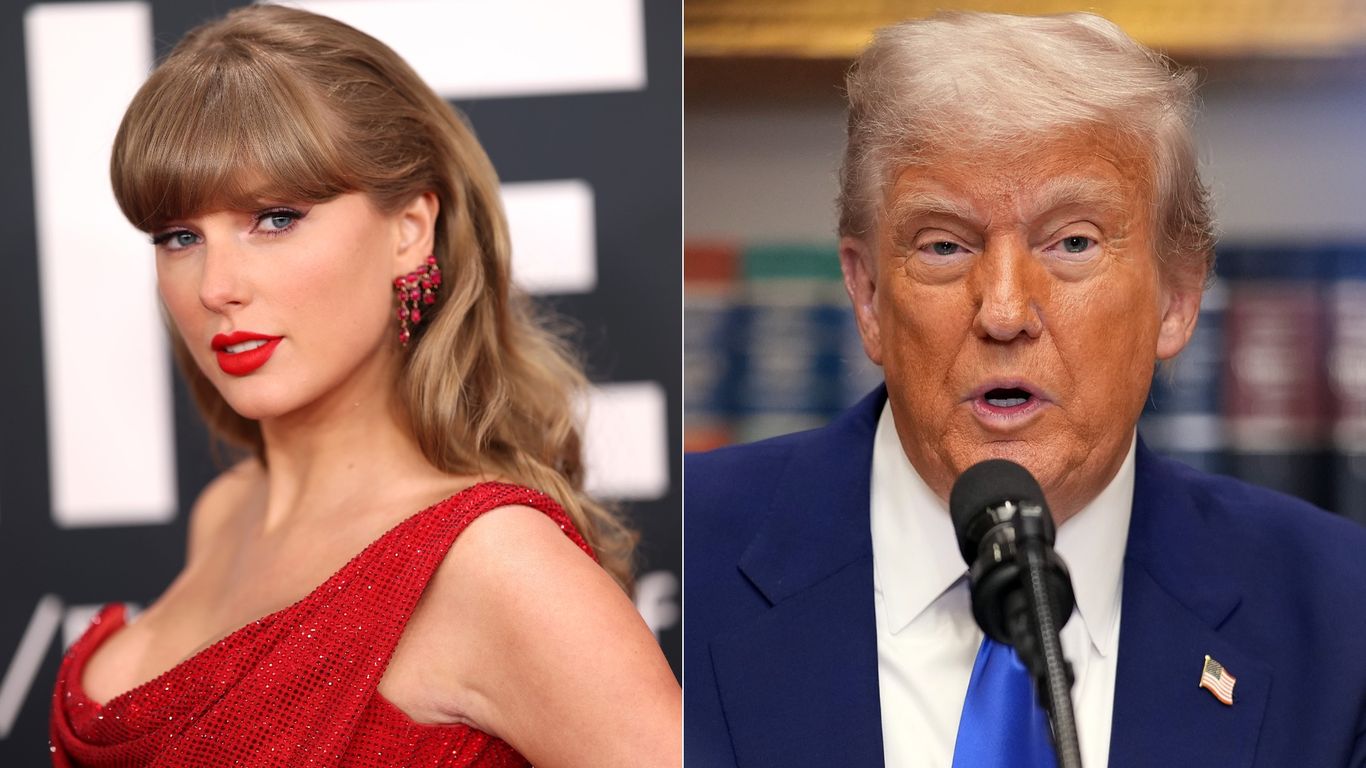
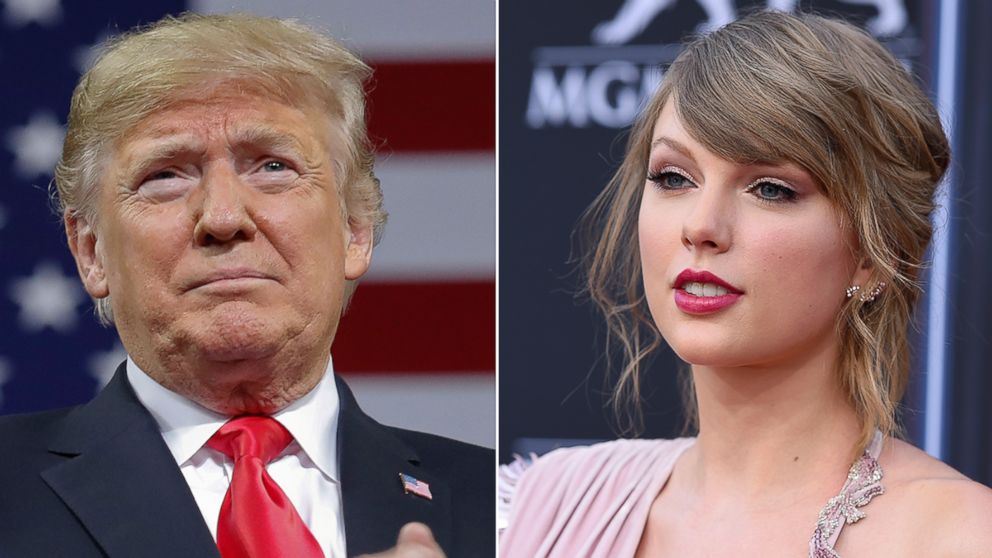
The imagined confrontation between a global entertainer and a political leader represents something larger than any single person.
It represents America’s ongoing conversation about identity, values, and the future.
It raises questions that have existed for generations:
What does leadership mean?
How should a nation balance strength with compassion?
What responsibilities come with influence?
In the end, the most important conversations are not always about winning arguments.
They are about understanding the experiences, fears, and hopes that shape a society.
Because behind every debate about policy is a deeper question:
What kind of future do we want to create — and what values will guide us there?


0 commentaires:
Enregistrer un commentaire